
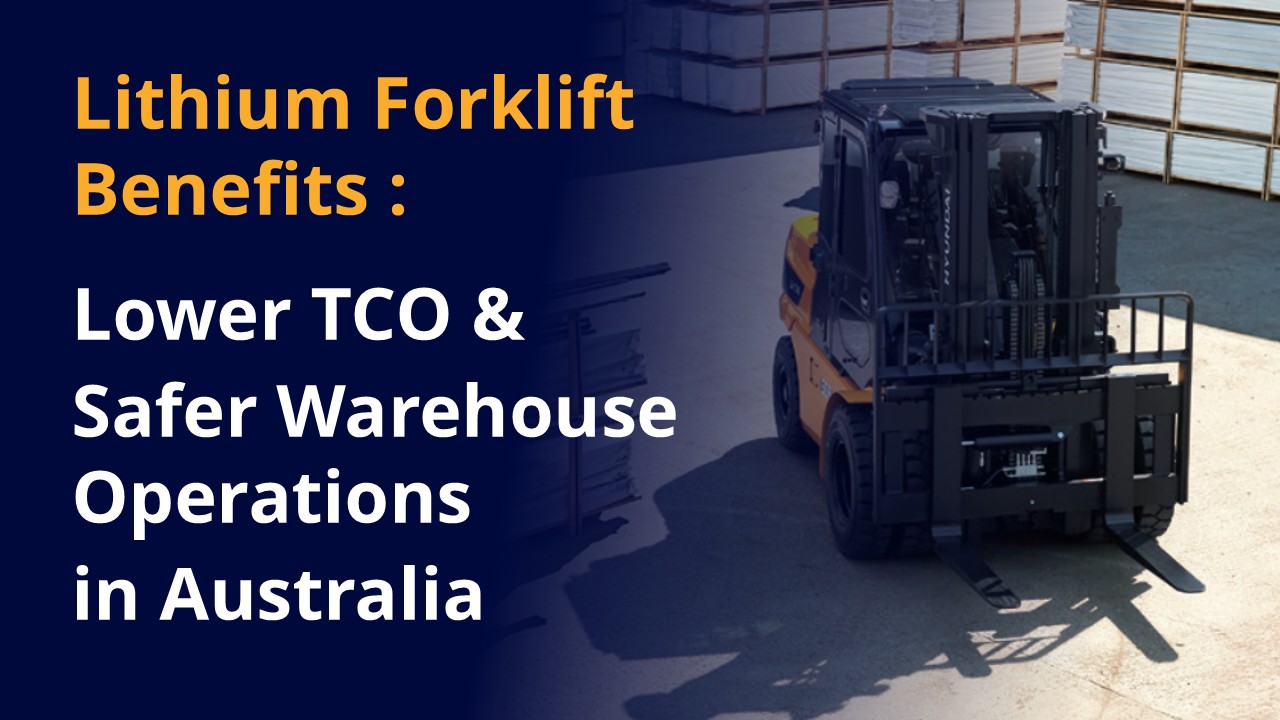
Not every operation in Australia needs to replace all diesel forklifts with lithium‑ion electric models tomorrow. But if your site runs long hours, struggles with fuel and maintenance costs, and cares about operator safety and working conditions, lithium forklifts deserve a serious look.
Below are five practical reasons why more Australian businesses are starting to consider lithium‑ion electric forklifts from a TCO (Total Cost of Ownership) and safety perspective.
Australia relies heavily on global fuel markets, and this volatility directly increases the operating costs of diesel forklift fleets. The country imports more than 90% of its refined fuel, and recent conflicts and supply disruptions show how quickly diesel prices can spike or supply can tighten.
Lithium‑ion electric forklifts run on electricity, which still has its own price risks but is less exposed to specific overseas refineries, shipping routes, and regional conflicts. If you mix diesel and electric in your fleet, you reduce your reliance on imported fuel and diversify your energy risk.
For Australian operators, even shifting part of the fleet to electric lithium‑ion forklifts can make your cost base more predictable over the medium to long term and reduce your exposure to diesel price volatility.
For Australian operations, lithium forklifts are not just about looking “green” on paper. The real value is that, over time, they can deliver better TCO and more stable uptime than comparable diesel or lead‑acid‑based electric units.
First, there is a clear difference in energy costs. Because lithium‑ion batteries have higher charge/discharge efficiency than lead‑acid packs, they need less electricity to deliver the same amount of work. Compared with diesel forklifts, electric models eliminate exposure to fuel surcharges and volatile oil prices, while you control electricity costs through tariffs, time-of-use charging, and load planning.
Second, maintenance and consumables look very different. With no engine, there are no oil changes, fuel filters or exhaust systems to service. Lithium‑ion batteries also don’t require watering, equalisation charges or acid clean‑ups. As a result, you have fewer scheduled service items, fewer unexpected breakdowns, and less labour tied up in battery care.
Third, battery life and replacement cycles change the economics. In general, lithium‑ion forklift batteries last thousands of charge cycles, often two to four times longer than lead‑acid batteries under similar conditions. That means fewer battery replacements over the life of the truck and the ability to spread battery replacement and disposal costs over many more operating hours. For fleets that run trucks hard for many years, this has a direct impact on total cost of ownership.
Hyundai’s lithium forklift batteries are designed for more than 3,500 charge cycles and up to 10 years of design life, further amplifying the inherent advantages of lithium‑ion technology. By significantly reducing battery replacement frequency and the associated capital and disposal costs, this long service life becomes a solid reason why, for fleets that run their equipment hard over many years, lithium‑ion electric forklifts in Australia can achieve a lower TCO than comparable diesel or lead‑acid solutions.
Finally, lithium‑ion brings a clear advantage in uptime. Lithium‑ion batteries support fast charging and opportunity charging during breaks or shift changes without damaging battery life. With a well‑planned charging strategy, many operations can run multi‑shift or even 24/7 with fewer spare batteries and fewer spare trucks than they would need with lead‑acid. This higher availability feeds straight back into better TCO for the whole fleet.
In a typical Australian warehouse or manufacturing site where forklifts run 8–16 hours a day, all of these factors compound. The upfront purchase price of a lithium‑ion electric forklift may be higher than a diesel or lead‑acid unit, but in sites with sufficient utilisation, TCO often shifts in favour of lithium‑ion after a few years of continuous use.
Australian operations extend well beyond clean indoor aisles. Many sites rely on forklifts in outdoor yards and loading areas, where they have to deal with dust, rain and uneven surfaces, as well as high temperatures and large daily temperature swings. On top of that, they handle heavy pallets, timber, concrete products, steel and other bulky loads that used to be the domain of diesel forklifts.
Older generations of electric forklifts were often seen as “indoor only”, and in many cases that reputation was fair. Modern lithium‑ion electric forklifts, however, challenge that assumption with higher performance and reliability in tougher environments. Capacity ranges that cover from around 4 tonnes up to 9 tonnes mean you can now electrify work that previously required a diesel truck.
At the same time, sealed components, IP‑rated systems and robust chassis design make many lithium‑ion electric models suitable for outdoor and semi‑outdoor work, including operation in light rain and dusty environments – always within the manufacturer’s specifications. Battery and truck designs with wide operating temperature ranges help maintain performance in hotter Australian climates and in refrigerated or chilled environments where temperature swings are common.
Put simply, lithium‑ion electric forklifts are no longer limited to small indoor warehouse jobs. For many Australian yards and mixed indoor–outdoor operations, you now have electric options that are built to handle local conditions and still deliver the benefits of zero emissions and lower maintenance.
Get in touch with our sales team to discuss TCO for your site.
Whenever you change technology, you don’t want to be the test case. That is why global references matter.
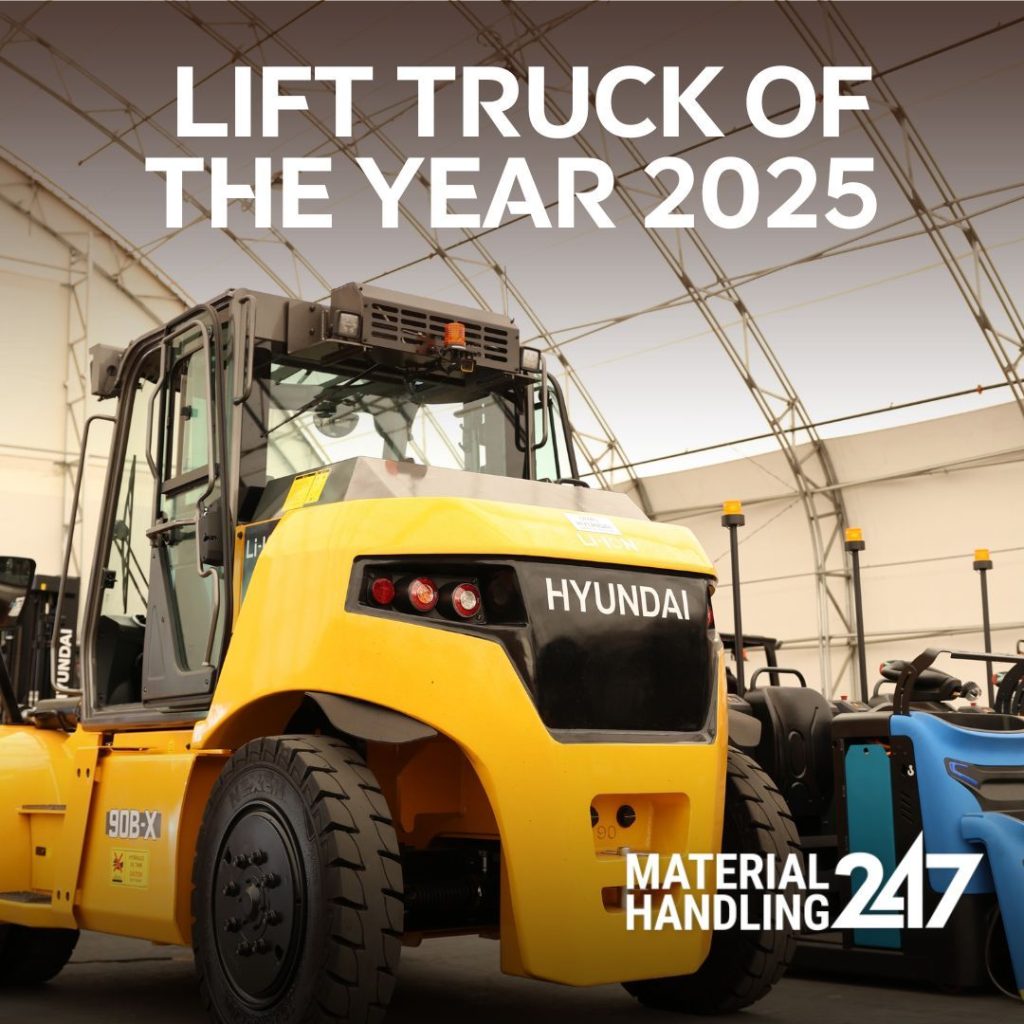
The Hyundai BX Series high‑voltage lithium‑ion electric forklifts (4–9 tonne class) have been recognised in North America with a “Product of the Year 2025” award, highlighting their ability to deliver diesel‑like performance with the benefits of electric power.
For Australian buyers, a few points stand out:
In other words, you can use this reference to reassure internal stakeholders that lithium‑ion electric forklifts at this size and power level are already working in comparable markets, so adopting them in Australia is an informed step forward, not a risky first experiment.
For warehouse and industrial sites in Australia, TCO and forklift safety are closely connected. A fleet that is hard on operators – loud, hot, fume‑heavy and physically demanding – ends up being expensive in ways that never appear on a fuel invoice, through fatigue, mistakes, injuries and higher turnover.
With lithium‑ion electric forklifts, the day‑to‑day working environment changes quite a lot. They run with low noise and vibration and produce no exhaust emissions at the point of use, so indoor air quality improves and overall noise levels drop. This makes a real difference in warehouses, distribution centres and manufacturing plants where operators spend long hours on the truck.
The driving experience is also more controlled. Electric drive provides smooth torque and precise control, which helps reduce product damage and makes it easier to manoeuvre safely in tight aisles and around pedestrians. Behind the scenes, battery management systems (BMS) continuously monitor battery temperature, voltage and current to help prevent over‑charging, deep discharging and overheating, adding another layer of protection to the system.
On top of that, manual battery handling is drastically reduced. In many lithium‑ion setups there is no need for heavy battery swaps using cranes or battery carts, unlike traditional multi‑shift lead‑acid operations. Fewer battery changeovers mean a lower risk of back and shoulder injuries and far less exposure to corrosive materials.
For many Australian warehouses, yards and manufacturing plants, these factors are why lithium‑ion electric forklifts are emerging as a practical way to both lower total cost of ownership and build a safer, more attractive workplace for operators.
Lithium‑ion electric forklifts are not a universal answer for every site. But they deserve a close look if your operation:
Runs forklifts for long hours or across multiple shifts
Feels the impact of volatile diesel prices and maintenance costs
Needs to improve indoor air quality, noise and operator comfort
Wants to align future fleet investments with lower‑emission, electric‑driven operations
In those cases, moving some or all of your fleet to lithium‑ion electric forklifts can mean better TCO and better safety over the long term – without giving up the performance you expect from diesel.
Get in touch with our sales team to discuss TCO for your site.
A farm forklift should match your loads, your ground conditions...
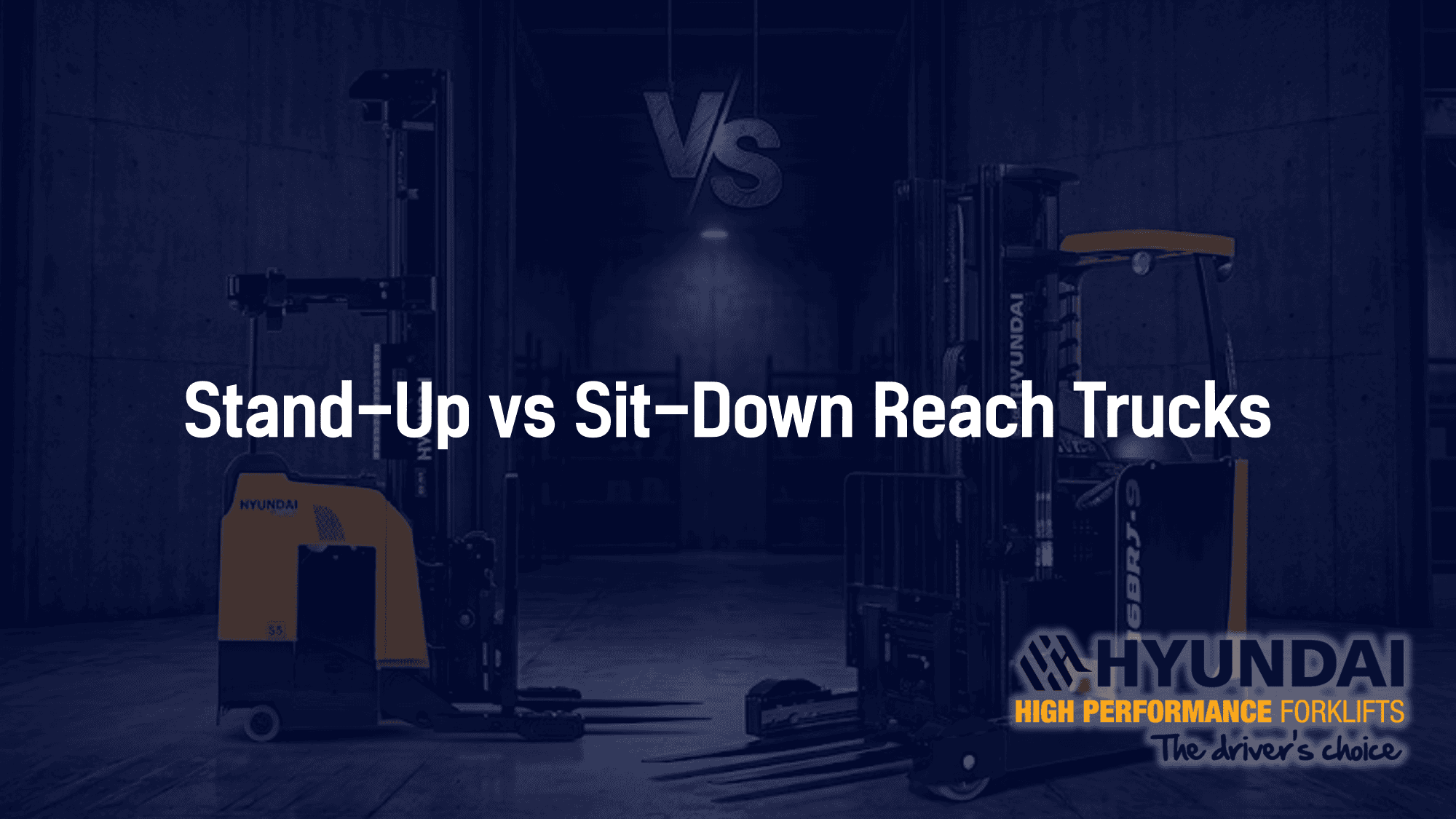
A stand-up reach truck suits frequent stops and short trips,...
Life in a hire fleet is demanding. A forklift can...