
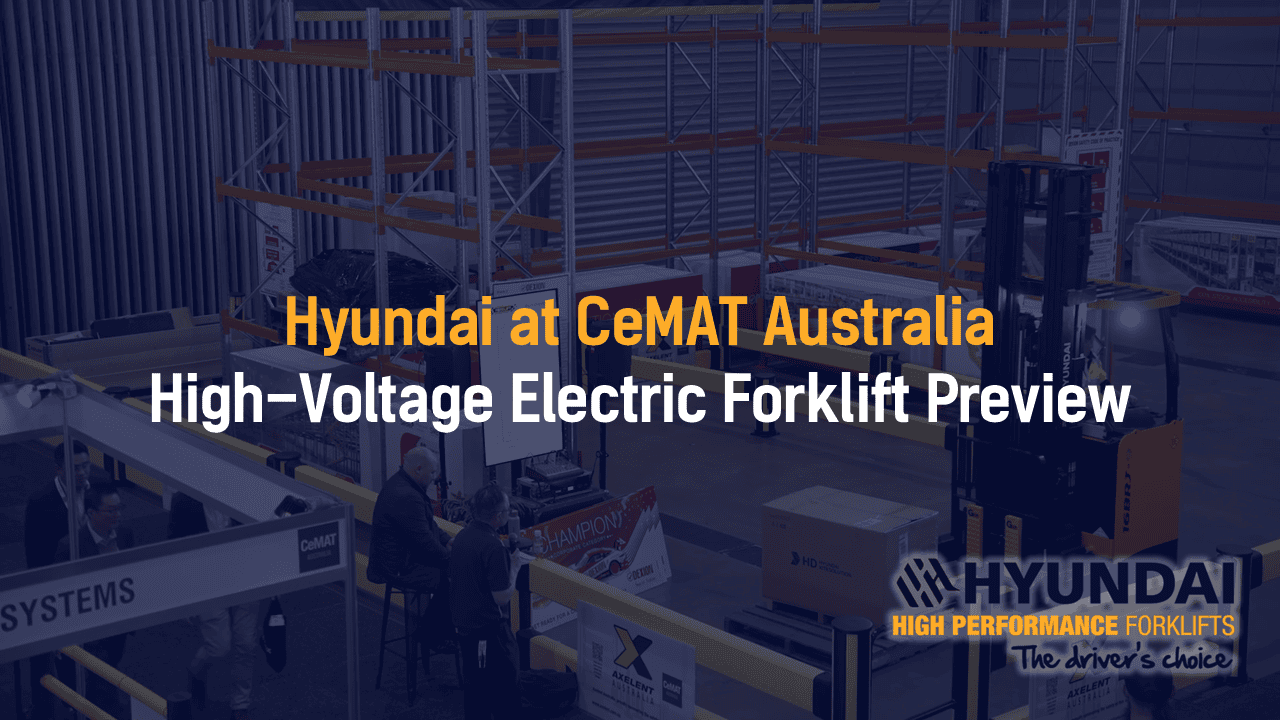
CeMAT is where forklift decisions stop being theoretical. Comparing specs on a screen takes weeks, but once you are standing next to the machine, checking visibility, mast stability, operator access and serviceability, the real fit for your site becomes clearer.
For Australian warehouses, transport hubs, manufacturing plants and heavy industry sites, a forklift is not a generic purchase. It affects throughput, labour efficiency, safety performance and downtime exposure. An exhibition like CeMAT gives decision-makers a chance to assess not just a unit, but the thinking behind the fleet strategy.
If you are reviewing fleet options, CeMAT is valuable because it compresses a lot of decision-making into one place. You can compare power types, operator layouts, safety features and service models side by side. That matters when the wrong choice is expensive in ways that do not show up on the quote sheet.
A forklift that is cheaper upfront but poorly matched to duty cycle can create battery bottlenecks, operator fatigue, excess tyre wear or avoidable maintenance events. On a busy site, those issues turn into lost picking time, loading delays and pressure on the rest of the fleet. Buyers attending with a clear checklist usually get more value than those focused only on lift capacity and price.
Hyundai’s position in that conversation is straightforward. The appeal is not only equipment range, but the combination of engineering, productivity, durability and aftersales backing. For operations managers and procurement teams, that broader picture is often what separates a workable fleet from one that constantly needs attention.
This raises a fundamental question for many buyers: Are Hyundai good forklifts? The definitive answer is yes – and CeMAT Australia is one of the best places to see exactly why. At Booth 041, you can assess the B-X Series in person, watch it perform live at the Australian Forklift Championship, and speak directly with specialists about what is coming next, including heavier 10 to 18 tonne models planned for 2026.
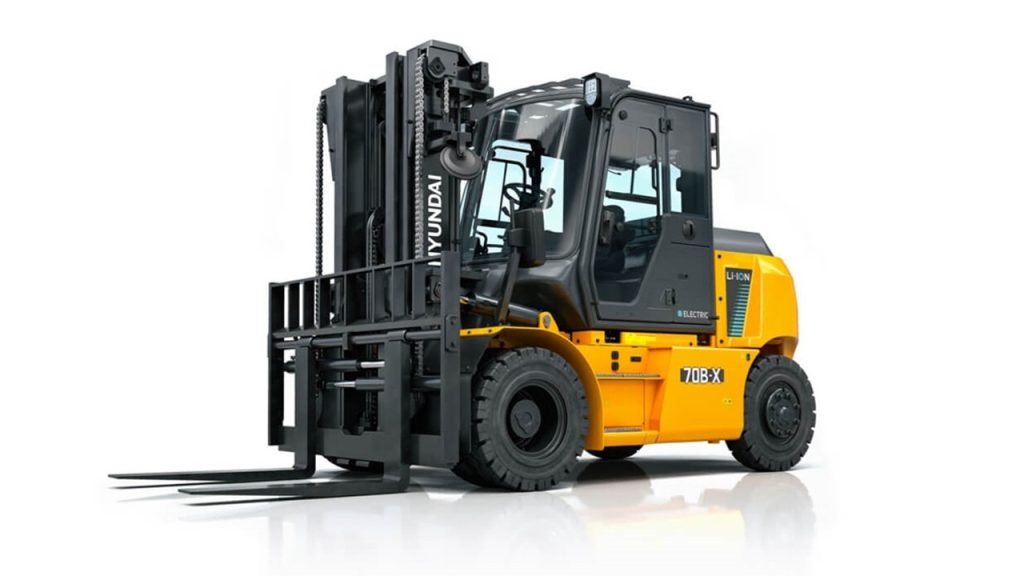
The Hyundai 70B-X lithium-ion electric forklift
The smartest way to approach any Hyundai Forklifts at CeMAT Australia display is to think beyond the machine’s headline specification. Capacity, lift height and turning radius still matter, but so do the details that shape day-to-day performance.
Start with operator environment. A forklift that feels intuitive to operate can support better shift productivity and reduce fatigue over long hours. Visibility through the mast, ease of entry and exit, seat comfort, control placement and display clarity all affect how confidently operators can work, especially in fast warehouse environments.
Then look at service access. If a truck is difficult to maintain, small issues can become longer stoppages. Easy access to key service points, strong diagnostics capability and clear support pathways make a practical difference once the forklift is on site rather than on display.
It is also worth asking how the model fits your specific application. A compact electric forklift may be ideal for food distribution or pharmaceutical facilities where emissions, manoeuvrability and low indoor noise matter. A diesel unit may still be the better answer for outdoor heavy-duty applications with rougher ground and long operating windows. LPG can sit in the middle depending on site layout, ventilation, runtime expectations and refuelling preferences. There is no single best forklift category – only the best fit for the job.
One of the strongest reasons buyers are tracking Hyundai Forklifts at CeMAT Australia activity is the shift in fleet demand towards electric and high-voltage lithium equipment. That shift is not just about sustainability messaging. For many sites, it is now an operational decision.
Electric forklifts can reduce noise, remove tailpipe emissions and support cleaner indoor environments. In the right application, they also simplify parts of routine maintenance when compared with internal combustion alternatives. For sites running multiple shifts, lithium technology becomes especially relevant because charging patterns, opportunity charging and battery performance can materially change utilisation.
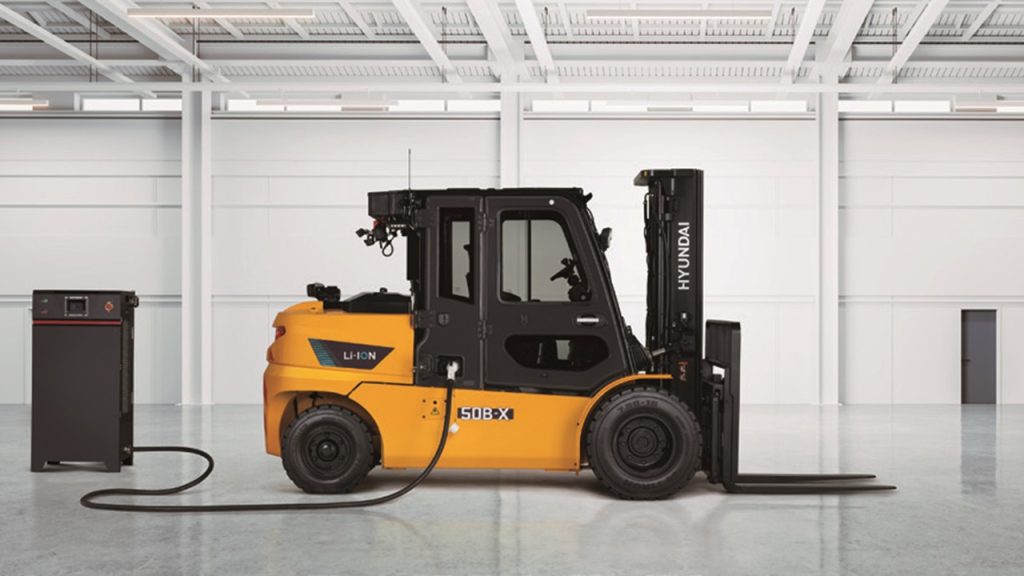
Hyundai 50B-X Li-ion electric forklift
That said, electric is not automatically the right answer for every fleet. Duty intensity, charging infrastructure, ambient conditions, ramp usage, attachment demands and available downtime all matter. A poorly planned move to electric can create charging congestion or underperforming units in high-load tasks. The better approach is to assess the full operating profile, not just the trend line.
For buyers at CeMAT, this is where deeper conversations become useful.
Our Hyundai specialists at Booth 041 are on hand to answer all of those questions and help you find the right fit for your operation.
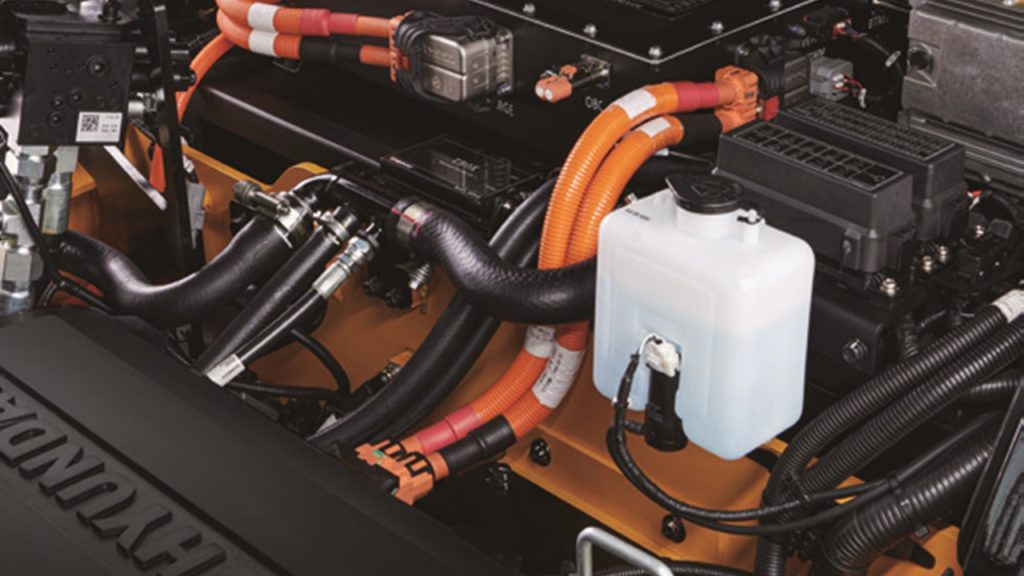
Inside the Hyundai B-X series: a lithium-ion battery system
One of the strongest reasons to visit the Hyundai Forklifts stand at CeMAT Australia is the opportunity to see the new B-X Series High-Voltage Electric Forklifts up close. Designed to replace diesel in applications where electric was previously considered impractical, the B-X Series covers 4.0 to 9.0 tonne capacities – with 10 to 18 tonne models planned for 2026 – and runs on a 309–348V lithium iron phosphate system engineered to deliver engine-like lift and travel speeds without direct emissions. The best way to judge that claim is to watch it work — Hyundai is a long-term partner of the Australian Forklift Championship, and the B-X Series will be performing live on the exhibition floor at CeMAT.
For operations in manufacturing, logistics, ports, recycling and heavy industrial environments, that combination is worth examining in person. IP67 and IP69K-rated components, wash-down capability, thermal battery management and rapid charging up to 120kW mean this is not a light-duty electric repackaged for a headline – it is built for the kind of duty cycles that have historically kept diesel in the fleet.
What makes the B-X Series relevant to Australian buyers attending CeMAT is not just the specification sheet, but the operational case it makes. Up to 11 hours of runtime, approximately two-hour charging, selectable drive modes, regenerative braking and a diesel-style operator layout are all designed to lower the barrier to electric transition for experienced operators and fleet managers alike.
The range has already received international recognition, winning the 2025 Product of the Year award in the lift trucks category from Material Handling Product News. For businesses assessing Hyundai Forklift options at CeMAT Australia 2026, the B-X Series represents one of the clearest answers yet to the question of whether high-capacity electric can genuinely replace diesel on a working site – not in theory, but under real load, in real conditions.
Forklift safety is often discussed as a compliance matter, but high-performing sites treat it as a productivity issue as well. Incidents, near misses and poor operating visibility slow work down, disrupt teams and expose the business to avoidable cost.
When assessing Hyundai Forklifts at CeMAT, safety should be viewed as a full operating system. Stability, braking feel, visibility, warning systems, speed control logic and operator ergonomics all work together. Even small design advantages can improve confidence in tight aisles, loading zones and mixed traffic environments.
Smart service technology is also part of the safety picture. Remote fault finding and support tools can help identify issues early and reduce the risk of machines continuing in service with unresolved faults. That does not replace proper maintenance discipline, but it does strengthen the support model around the equipment.
Training matters here too. A quality forklift on its own will not fix weak operating habits or site layout problems. Buyers should be looking for a partner that supports safe implementation, not just delivery.
Trade show displays are designed to get attention, but long-term value is usually decided after the machine leaves the floor. That is why serious buyers should spend as much time discussing support as they do discussing specifications.
Aftersales capability affects uptime more than most businesses expect. Parts availability, response times, warranty support, diagnostic capability and technician coverage all shape the real cost of ownership. If your operation is running to tight dispatch windows or production schedules, one unresolved forklift issue can have a knock-on effect across the site.
This is where a full-service model has practical weight. Equipment supply, rentals, parts, maintenance, battery support, fleet planning and local dealer coverage all contribute to continuity. For businesses operating across Melbourne, Sydney, Brisbane or regional networks, support structure can be just as important as unit price.
Hyundai Material Handling Australia speaks strongly to this need because the offer is built around more than sales. For buyers with mixed fleets, seasonal demand changes or ageing equipment that needs staged replacement, that broader lifecycle support is often the difference between reactive spending and controlled fleet performance.
Most equipment decisions are made under time pressure. A truck fails, capacity demand increases or the existing fleet starts creating too many maintenance interruptions. CeMAT gives buyers a chance to step back and ask better questions.
Do you need a replacement forklift, or do you need a different fleet mix? Are you underutilising some assets while overworking others? Would a reach truck, order picker or walkie stacker remove pressure from your counterbalance units? Could a rental strategy support peaks more efficiently than ownership alone?
These are the kinds of questions that change outcomes. A supplier that can talk clearly about application matching, whole-of-life support and operational trade-offs is usually more valuable than one focused only on moving stock. The right conversation should leave you with a clearer path on productivity, uptime and cost control.
For many Australian businesses, that is the real opportunity around Hyundai Forklift at CeMAT Australia. It is a chance to assess equipment, yes, but more importantly to assess whether the supplier understands the operational reality behind the purchase.
If you are heading to CeMAT, go in with your site data, your pain points and your non-negotiables. The best forklift decision is rarely made by looking at paint, badges or brochure claims. It is made by finding the machine and support model that will keep your operation moving when the pressure is on.
Ready to talk fleet? Speak with the Hyundai Forklifts team at CeMAT Australia.
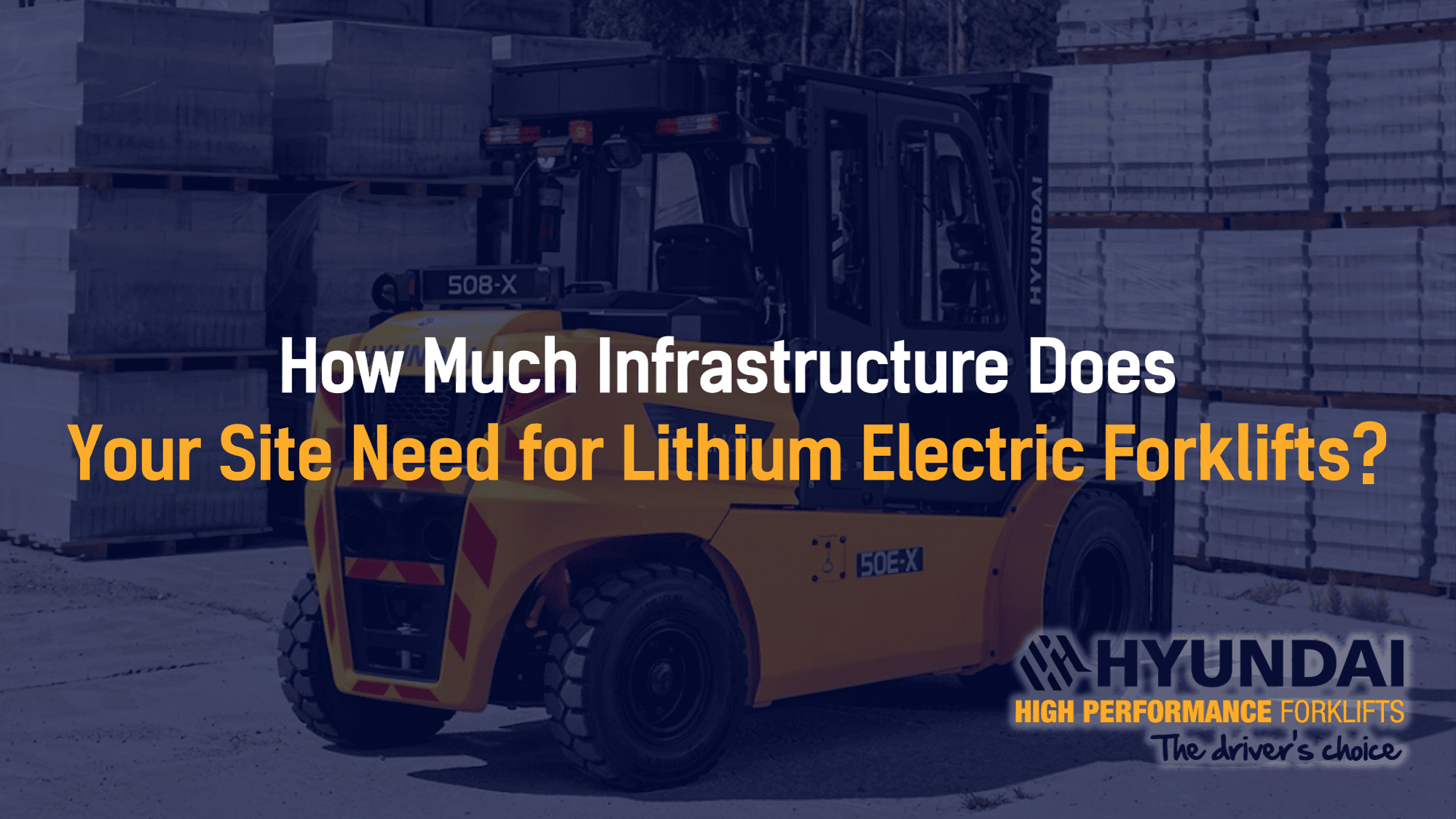
Sites looking at electric forklifts tend to raise the infrastructure...
Spec sheets make forklifts easy to compare. Capacity, lift height,...
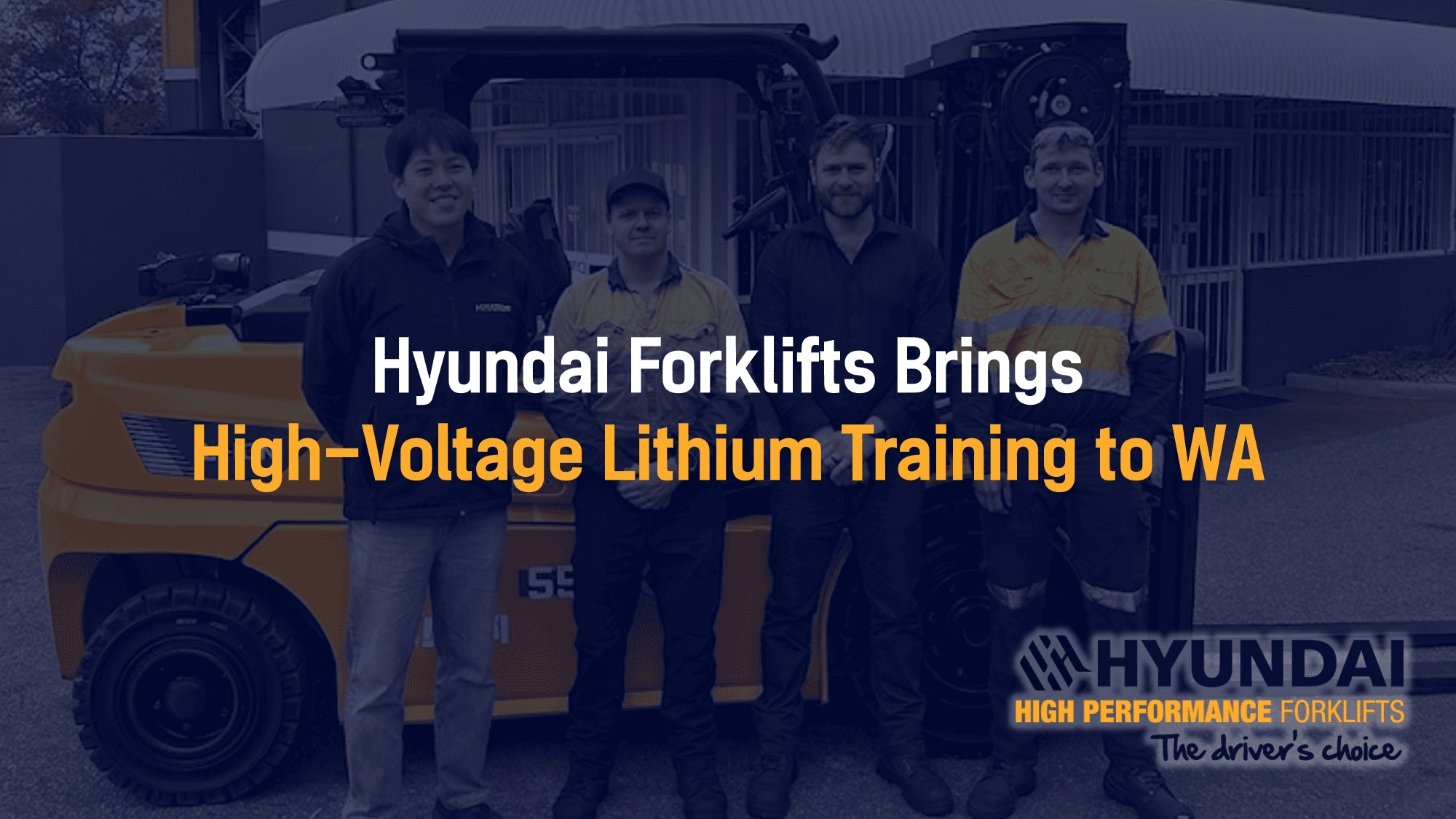
Hyundai Forklifts Australia has delivered its first high-voltage forklift training...