
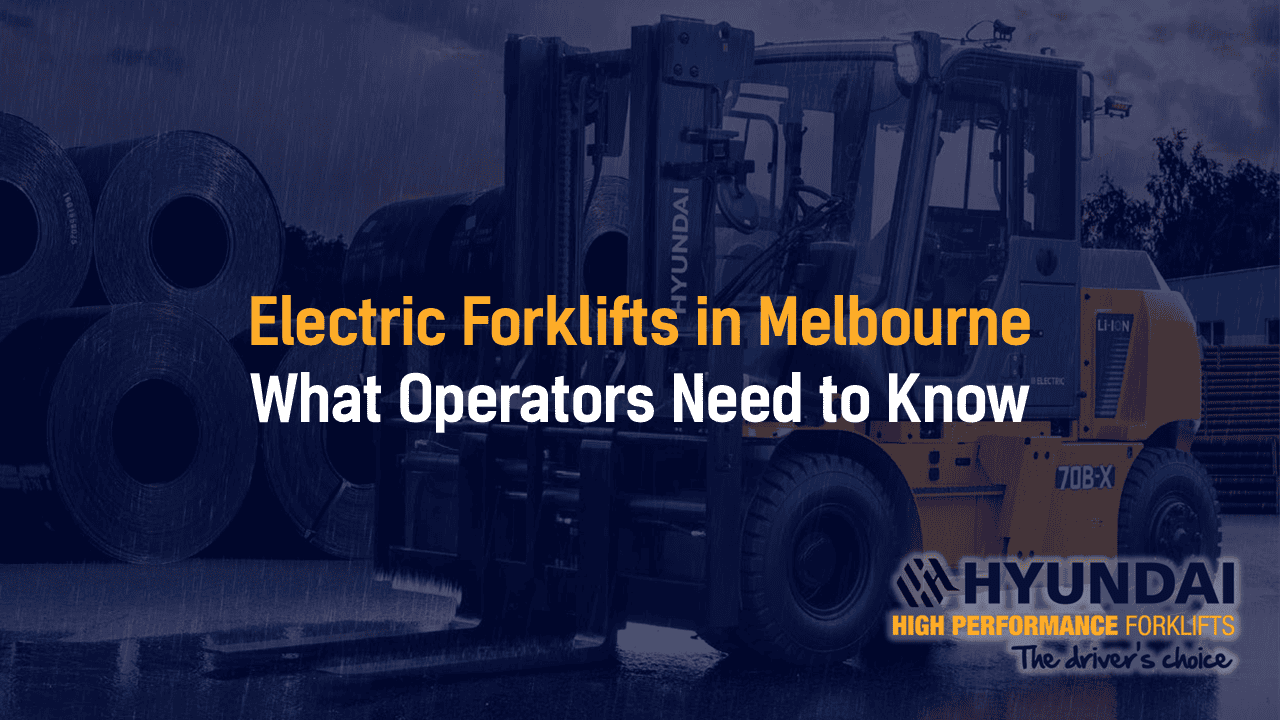
When a forklift is undersized, overworked or off the floor for service, the cost shows up fast – slower dispatch, congested aisles, operator frustration and missed throughput targets. That is why businesses searching for electric forklifts in melbourne are rarely just comparing machines. They are trying to protect uptime, safety and productivity across the entire site – and increasingly, they are finding that electric is the answer.
Melbourne is Australia’s largest container port and one of its most demanding environments for material handling equipment. Victoria’s food and beverage sector spans agricultural processing, dairy manufacturing and refrigerated distribution, driving year-round throughput across warehouses, cold stores and distribution facilities in the city’s western and northern logistics corridors.
According to Infrastructure Australia, the Port of Melbourne handled 3.39 million TEUs of container trade between 2024 and 2025. Once the new container capacity at Webb Dock North becomes available in 2036 as the city’s fourth international container terminal, the trend toward 24/7 forklift operations in Melbourne will become even more entrenched. Furthermore, as the VICT terminal is one of the most automated ports in the world, the continuous demands for repeated precision will place an even greater strain on material handling equipment.
Crucially, that challenge looks different from one operation to the next. A high-volume distribution centre in the western suburbs will not need the same fleet as a timber yard or steel handling site. Consequently, making the right forklift decision depends on complex mix of factors: load type, shift intensity, floor conditions, emissions requirements, aisle width, operator skill, service access and how much flexibility the business needs over the next three to five years.
A forklift should fit the job, not force the site to work around its limits. Yet many fleets still carry ageing units, poorly matched capacities and fuel types that no longer suit the operation. The result is higher maintenance spend, more downtime and avoidable safety exposure.
For Melbourne operators, forklift selection starts with site reality. Cold storage facilities and western suburban distribution centres share conditions that tend to favour electric over LPG or diesel forklifts. Emissions and heat load from internal combustion engines work against refrigeration efficiency, and without fuel changeovers or ventilation constraints, electric forklifts support the kind of consistent cycling these environments depend on.
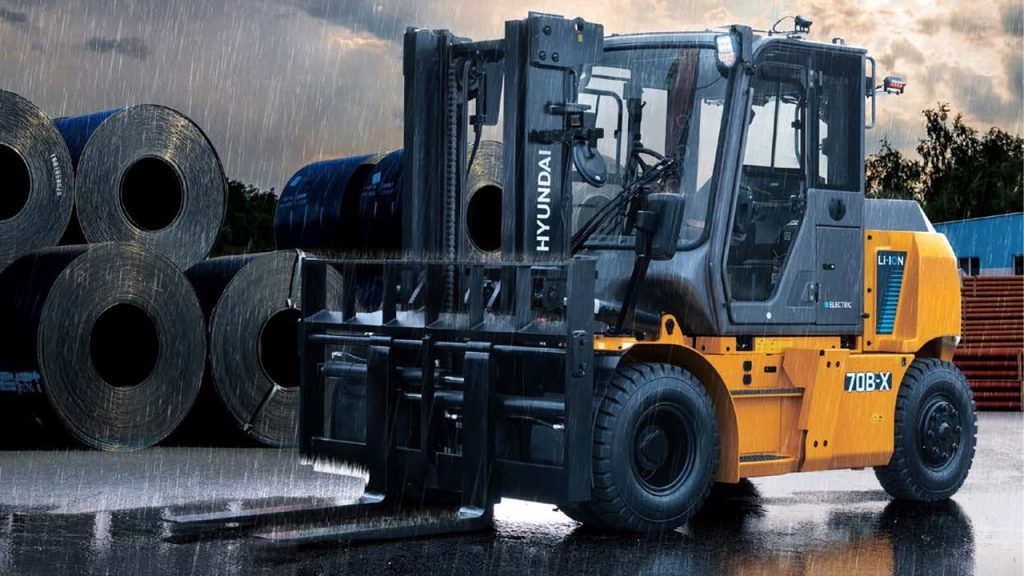
Sites with heavier loads, greater racking heights or multi-shift demands are increasingly looking at higher-capacity electric options like the Hyundai BX series, built for those profiles without the trade-offs of combustion alternatives.
Battery technology matters too. Lithium suits high-utilisation fleets well – faster charging, less maintenance. For some sites, lead-acid still makes commercial sense. The key is understanding total operating requirements rather than buying on upfront price alone. Many operators working through these decisions will be at CeMAT this year. If you’re evaluating electric options for cold storage or distribution, it’s worth a conversation.
The Melbourne market covers everything from compact warehousing through to heavy industrial handling, so fleet requirements can vary sharply. Even within one business, different zones often need different machine types.
Electric forklifts are a strong fit for warehousing, logistics, cold storage, food and pharmaceutical environments where clean operation and precise handling matter. They are particularly effective where indoor air quality, operator comfort and manoeuvrability are priorities. Modern electric units like high-voltage lithium forklifts also deliver serious performance, which matters for businesses still assuming electric means compromise.
LPG forklifts remain a popular choice for mixed-use sites that move between indoor and outdoor areas. They offer flexibility, refuelling speed and reliable power for general materials handling. For operations that cannot afford long recharge windows and need broad application coverage, LPG still has a clear place.
Diesel forklifts are better suited to demanding outdoor conditions, higher capacities and tougher applications such as timber, steel and some yard-based operations. They are built for durability and sustained heavy work, but they are not the right answer for every site. Emissions, noise and indoor restrictions need to be considered early.
Then there is the warehouse support equipment that often has a bigger impact than expected. Reach trucks, order pickers, walkie stackers and electric pallet jacks all play a critical role in improving space use and labour efficiency. In a warehouse under pressure to lift throughput without expanding its footprint, the wrong ancillary equipment can be just as limiting as the wrong forklift.
A lot of buying decisions still start with capacity and mast height, but productivity is broader than specification sheets. The real question is how well the machine supports movement across a full shift with minimal interruption.
Operator visibility, steering response, mast stability and ease of entry all affect cycle times. So do ergonomic controls, especially on repetitive tasks where fatigue builds across the day. A forklift that looks competitive on paper can still underperform if it slows operators down or creates avoidable handling errors.
Smart service technology is also becoming a practical advantage rather than a nice extra. Remote fault finding, quicker diagnostics and stronger aftersales support can shorten repair times and keep units available for longer. For sites where a single breakdown creates immediate bottlenecks, service responsiveness is not secondary to the machine – it is part of the machine’s value.
That is where a full-service supply model becomes more important. Equipment, parts access, warranty support, technician coverage, battery solutions and fleet planning all contribute to whether the asset keeps delivering. Buying a forklift without backing support may lower the initial figure, but the long-term cost can be higher if downtime drags out.
In high-pressure environments, it is tempting to treat safety features as optional extras and training as a once-off requirement. That approach rarely holds up. Safety incidents are costly, disruptive and often trace back to predictable gaps in equipment suitability, maintenance discipline or operator support.
For Melbourne businesses running busy warehouses and industrial sites, the right forklift setup should support safer operation from the outset. That includes stable load handling, strong visibility, predictable braking, warning systems and equipment sized properly for the task.
Training and familiarisation also matter. Even experienced operators need support when new equipment types, battery systems or warehouse layouts are introduced. Safety leaders and operations managers should view training as part of fleet performance, not a separate compliance box.
Maintenance plays a direct role here as well. Delayed servicing, worn tyres, unmanaged battery condition or neglected components can quickly become safety problems. The best fleets are not simply well purchased. They are well supported through planned maintenance and fast access to parts and service.
Battery condition matters more in temperature-controlled environments like cold storage. The Hyundai BX Series address this directly. Its battery heating and cooling system keeps performance stable regardless of external conditions, which is relevant for cold storage operations running across multiple shifts.
Not every business needs to buy outright. For some operations, forklift hire or rental is the better commercial move, particularly when demand is seasonal, project-based or uncertain. It gives the business flexibility without locking capital into equipment that may be underutilised later.
Outright purchase makes sense when utilisation is high, requirements are stable and the business wants long-term asset control. It can also be the right path where specialised attachments, site-specific configurations or heavy daily use justify ownership.
There is also a middle ground that many operations overlook – reviewing the fleet as a whole rather than replacing units one by one. If multiple machines are ageing, poorly matched or expensive to maintain, the issue may be systemic rather than isolated. A fleet review can uncover utilisation gaps, duplicated capacities or opportunities to move to more efficient electric or lithium-powered equipment.
That kind of review is especially valuable when sites are expanding, changing layouts or taking on new contract volumes. A forklift fleet that worked two years ago may now be limiting throughput.
Specification matters, but support coverage can decide whether the fleet performs in the real world. When a unit goes down, operations teams want fast diagnosis, parts availability and technicians who understand industrial environments. Delays do not just affect one machine. They can back up receivals, picking, replenishment and dispatch.
That is why businesses looking at Melbourne forklift suppliers should assess more than product range. They should ask how service is delivered, how faults are escalated, what warranty support looks like and whether the supplier can support the fleet across its lifecycle.
A dependable partner should be able to support sales, rental, planned servicing, emergency repairs, parts, battery systems, operator training and broader fleet strategy. That joined-up approach reduces fragmentation and makes it easier for operations leaders to manage performance across multiple assets.
For businesses that want scale, engineering quality and local backup, Hyundai Material Handling Australia sits in that category of full-service partner rather than simple equipment seller. That distinction matters when uptime is tied directly to revenue.
The best forklift choice is rarely the cheapest unit or the one with the biggest specification. It is the machine, or fleet mix, that fits the task, supports operators, holds up under site conditions and comes with support that keeps downtime under control.
For Melbourne businesses, that means taking a clear view of the operating environment, the shift pattern, the load profile and the commercial model that suits the business. It also means being honest about whether the current fleet is driving output or quietly dragging it back.
If a forklift decision improves throughput, lowers service disruption and gives the site more confidence in day-to-day handling, it is doing more than moving pallets. It is strengthening the operation where it counts most – on the floor, under pressure, every shift.
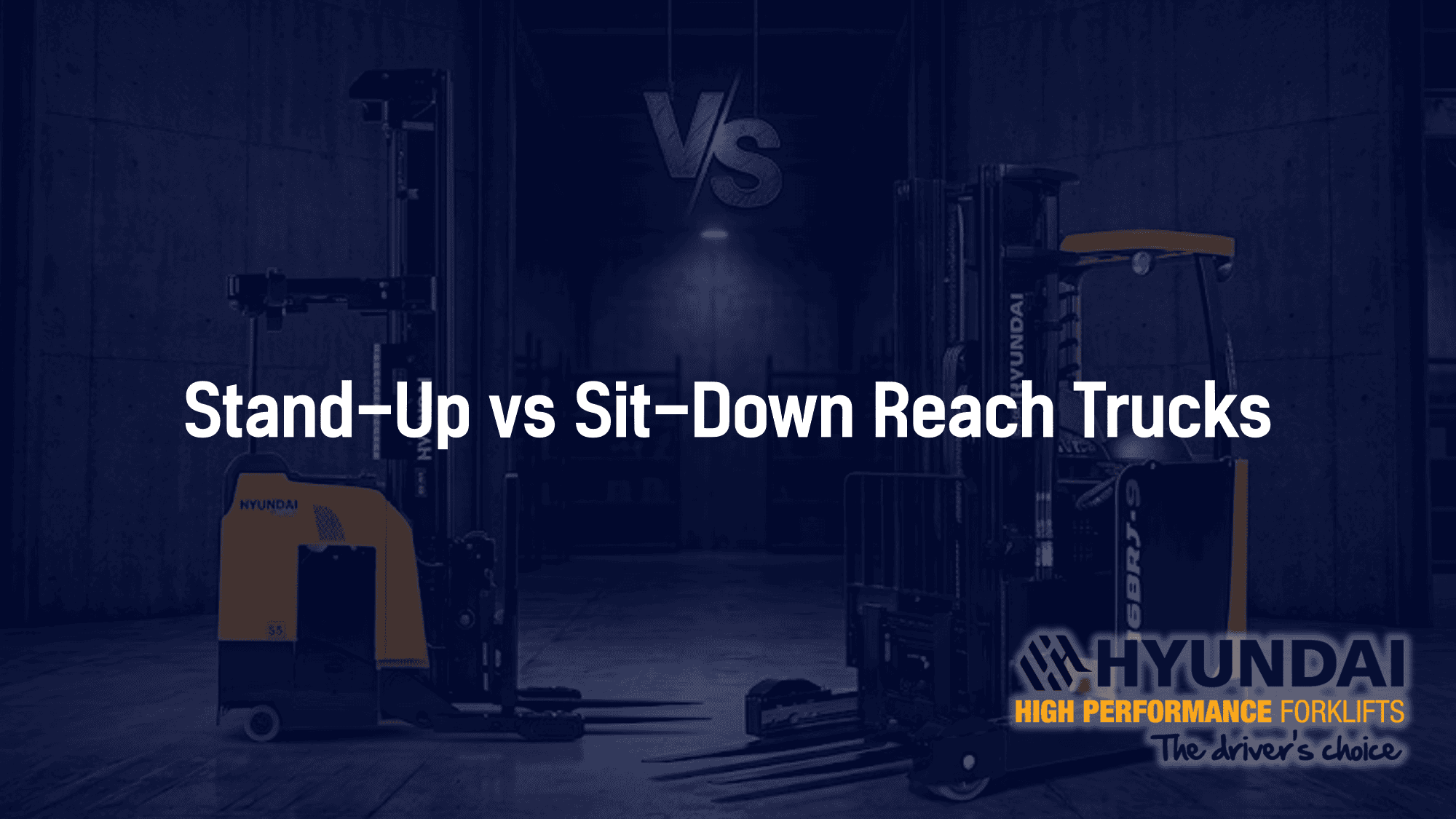
A stand-up reach truck suits frequent stops and short trips,...
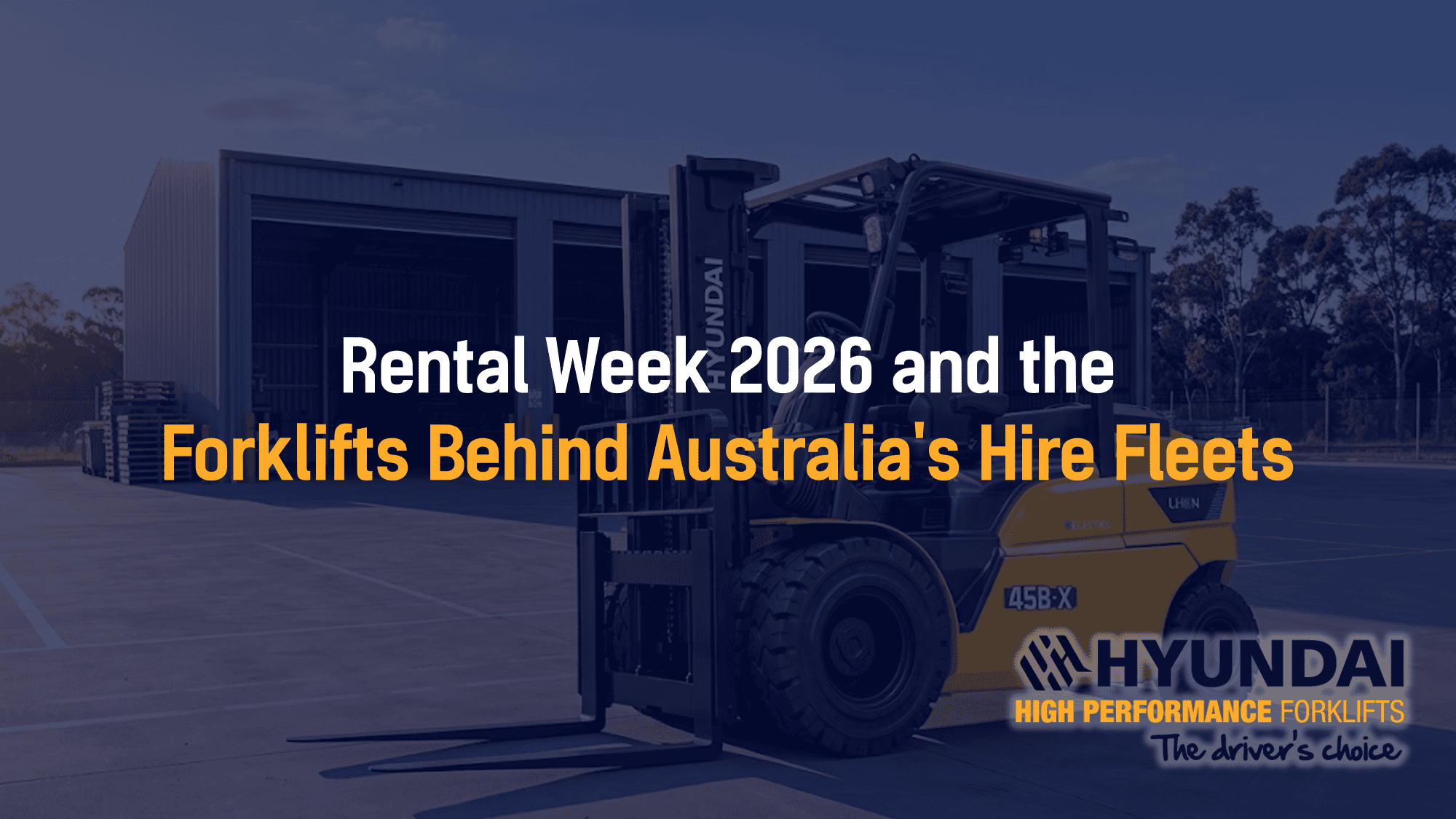
Life in a hire fleet is demanding. A forklift can...
Your forklift fleet is ready for peak season when utilisation...